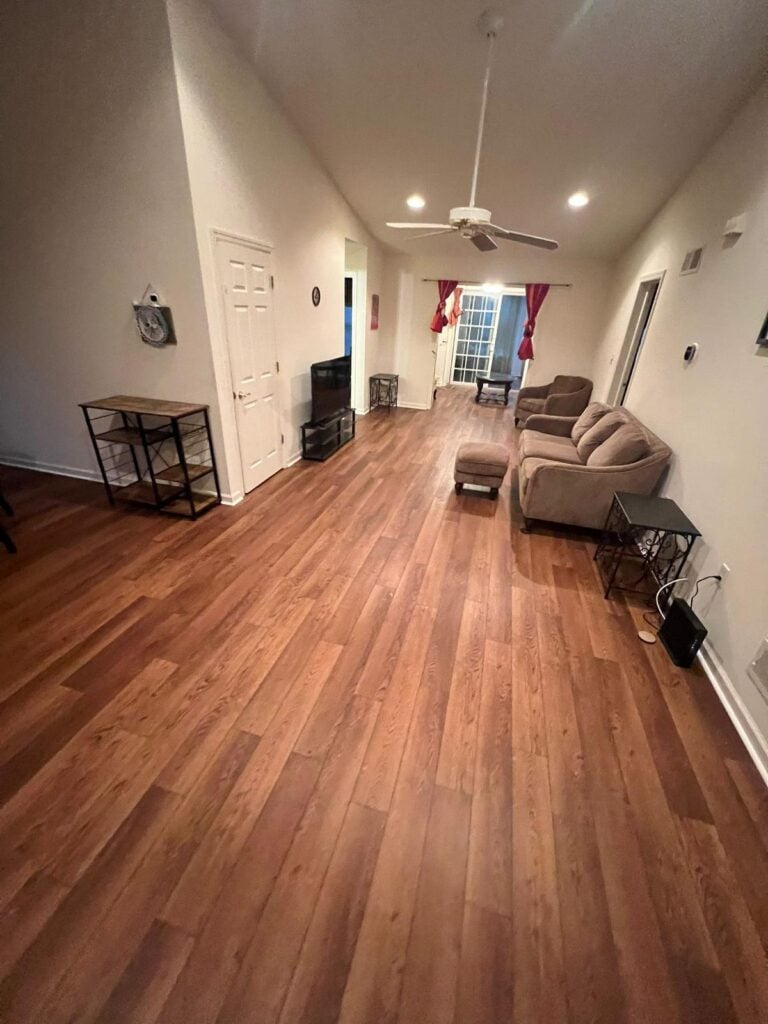
LVP flooring in Middletown, PA is one of the most requested upgrades we install in Dauphin County homes, but the results depend heavily on what happens before the first plank goes down. Middletown’s housing stock, dominated by postwar capes and ranches built between the 1940s and 1960s alongside older pre-war homes in the borough center, presents subfloor conditions that require careful assessment before installation. Product selection, subfloor preparation, moisture evaluation, and proper acclimation all determine whether an LVP floor looks great and holds up for twenty years or starts showing problems in the first twelve months.
Luxury vinyl plank has earned its reputation as the most practical flooring choice for most Middletown homes. It handles the moisture fluctuations that come with Dauphin County’s humid summers and dry winters, survives daily wear from kids and pets without the maintenance demands of real hardwood, and installs over most existing subfloors without the full gut job that other materials require. For homeowners in a borough where the average home is fifty years old or more, those qualities matter.
But LVP is not all the same product, and not every installation delivers the same outcome. Here is what we walk every Middletown homeowner through before a project begins.
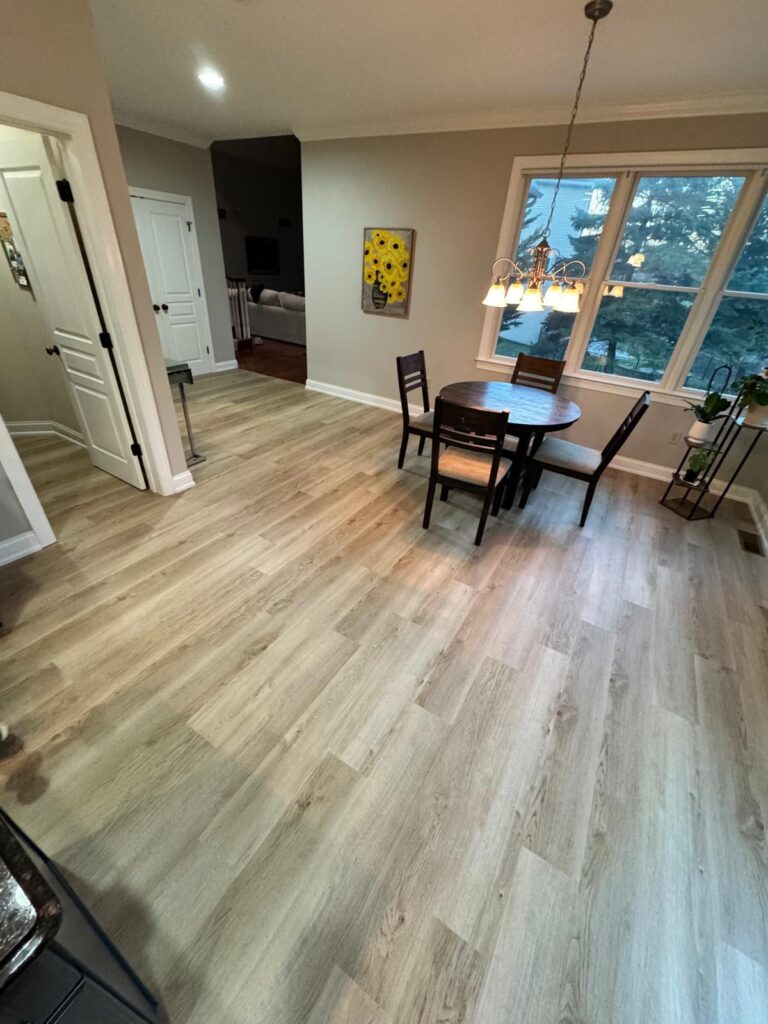
LVP flooring performs especially well in Middletown’s older housing stock because it handles subfloor imperfections, humidity swings, and below-grade moisture better than hardwood or laminate. For postwar capes, ranches, and pre-war homes along the Susquehanna, it delivers a hardwood look without the vulnerabilities that come with installing real wood in an older home.
Middletown’s housing tells the story of Central Pennsylvania’s postwar growth. The majority of homes in the borough were built between the 1940s and 1960s, the era of returning GI Bill veterans and modest cape cods and ranch houses filling out the residential blocks around downtown. A significant portion of homes closer to the borough center predate 1940 entirely. North of the Pennsylvania Turnpike, newer construction in communities like Greenwood Hills represents a smaller share of the housing stock.
Across all of these eras, the case for LVP comes down to the same set of practical realities. Older homes have subfloors that have shifted, settled, and absorbed decades of humidity cycles. Real hardwood installed over a subfloor with hidden moisture issues, minor unevenness, or old adhesive residue will not perform the way it is supposed to. LVP, particularly rigid core SPC products, tolerates subfloor imperfections better and handles the humidity swings of a Central Pennsylvania basement or ground-floor room without swelling, gapping, or cupping.
For homeowners weighing LVP against refinishing existing hardwood: if you have solid hardwood in good condition, refinishing it will almost always produce a better result and cost less than covering it. LVP is the right answer when the existing floor is beyond refinishing, when the room needs waterproof performance, or when you are starting fresh in a basement or kitchen.
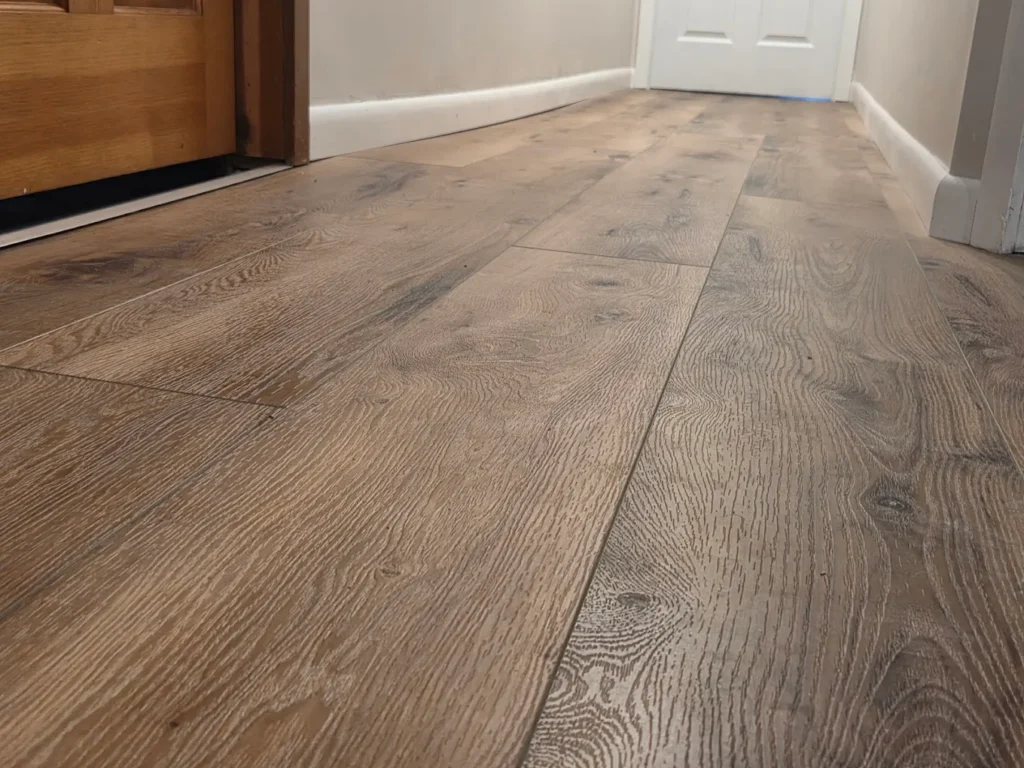
The subfloor conversation is where we spend the most time with Middletown homeowners, because it is the least visible part of the project and the most consequential.
Here is what we evaluate before installation begins:

Here is how to read the spec sheet when comparing products:
A lot of homeowners come to us having already purchased a product they found at a big-box store. Sometimes it is a great choice. Sometimes the wear layer is 6 mil and it is going into a kitchen with two dogs. Looking at the spec sheet before buying is always worth the extra five minutes.
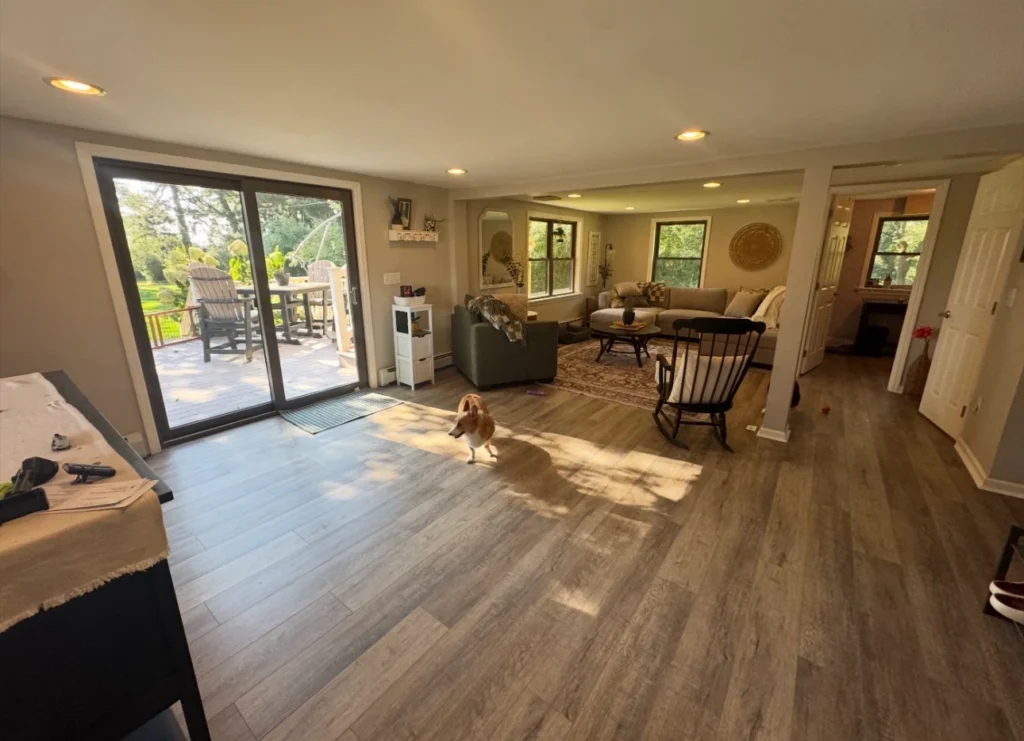
LVP is the right answer for most Middletown rooms, but not every room and not every situation. Here is a practical comparison:
Here is how the cost range breaks down:
Old flooring removal typically adds $0.50 to $2.00 per square foot depending on the material. Subfloor repair and leveling can add another $1 to $3 per square foot if significant prep is needed. These costs are worth knowing upfront so the estimate reflects the full project, not just the flooring itself.
The best way to get an accurate number for your specific home is a free in-home estimate. Subfloor conditions in Middletown’s older housing stock vary enough that a walkthrough is always worth the time before committing to a budget.
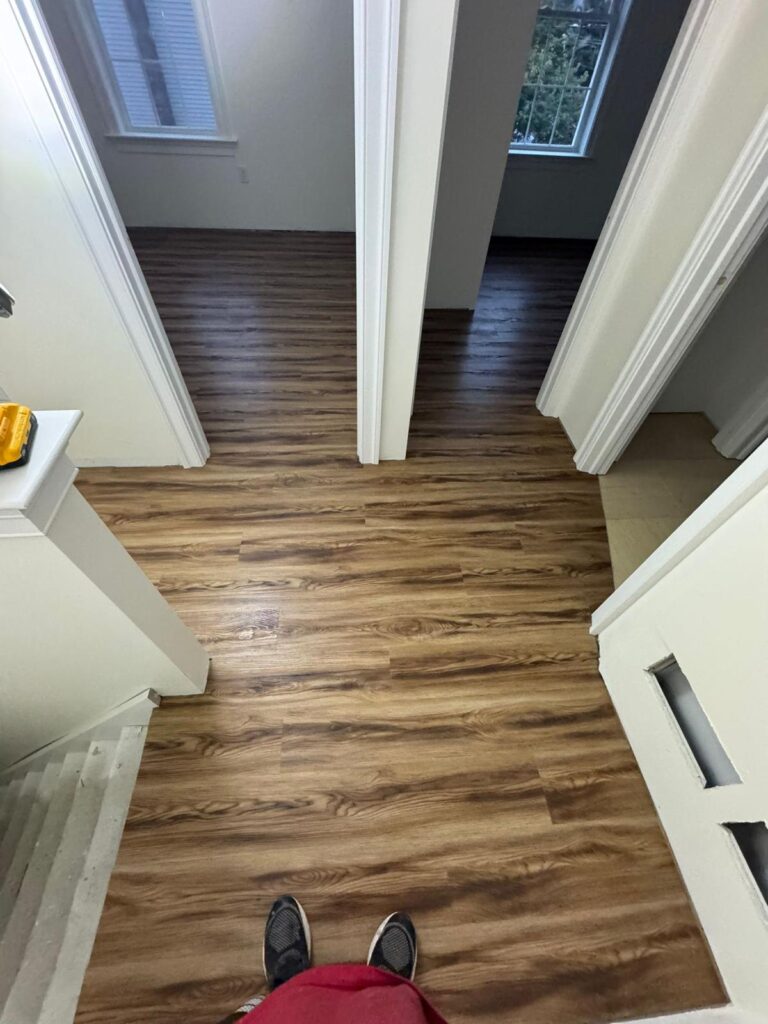
LVP’s click-lock installation system is genuinely more accessible than nailing down hardwood. That said, in older Middletown homes where subfloors have had decades to develop their own character, professional installation makes a real difference.
The areas where professional experience matters most in this market:
Middletown sits in a part of Central Pennsylvania that offers genuine value for homeowners. Access to Harrisburg International Airport two miles to the west, easy connections to Harrisburg via Route 283, proximity to Hershey and its employment base, and a competitive home price point well below national averages make this a market where homeowners are staying and investing. The borough’s housing stock, primarily single-family detached homes and rowhouses that have been maintained across generations, responds well to interior upgrades that bring living spaces up to current expectations without overimproving for the market.
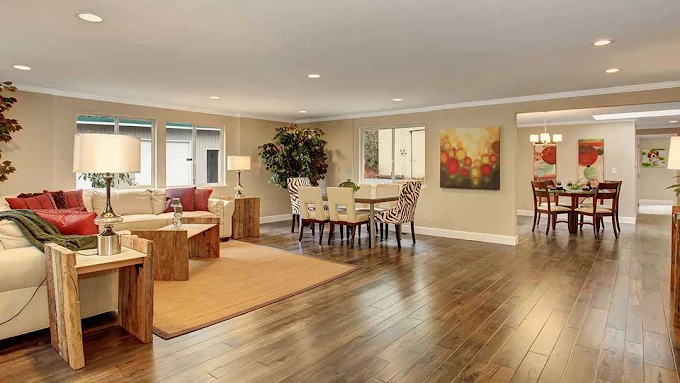
A well-executed LVP installation is one of the most visible upgrades you can make to the main living areas of a Middletown home. It changes how the space looks, how it functions, and how it reads to buyers if and when you decide to sell. For families staying long-term, it simply makes the home more livable. For homeowners thinking about resale, updated flooring is consistently one of the improvements buyers notice first.
More Than Floors installs luxury vinyl plank, hardwood, laminate, and carpet for homeowners in Middletown, Hershey, Palmyra, Mount Joy, Elizabethtown, and throughout Lancaster and Dauphin County. Every estimate is free, in-home, and based on what we actually see in your space, not a number pulled from a website calculator.
Call us or request a free estimate online to get started.
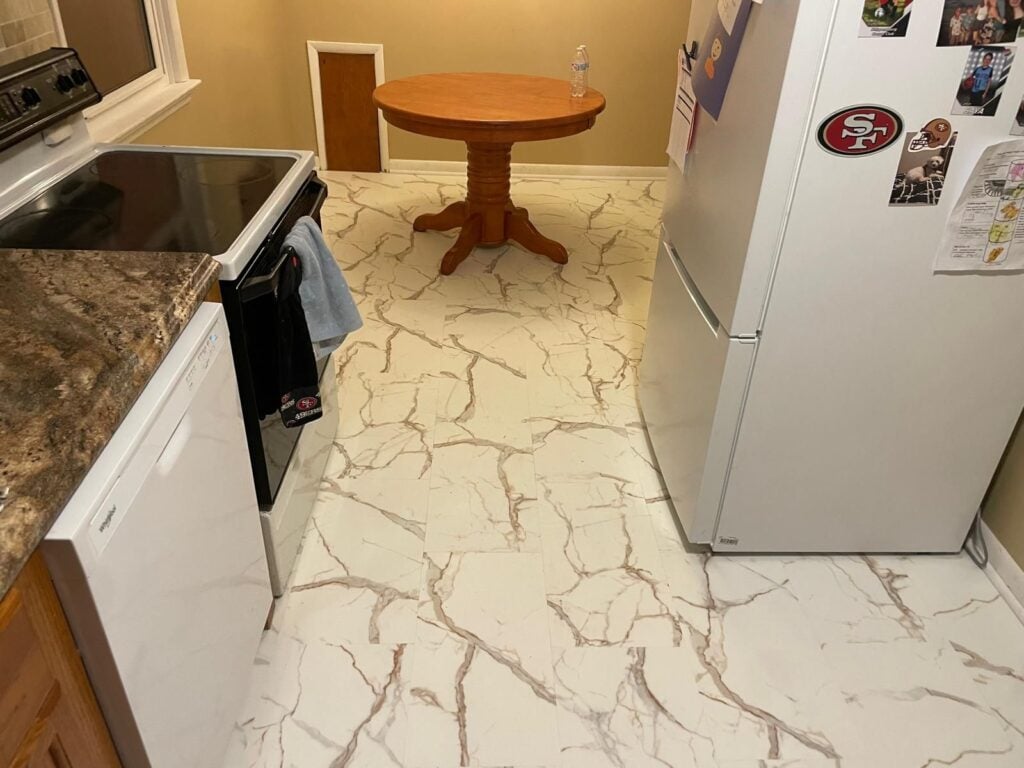
LVP (luxury vinyl plank) is a multi-layer synthetic flooring product that mimics the look of hardwood while offering waterproof performance and durability. It is well-suited to older Middletown homes because it tolerates minor subfloor imperfections, handles humidity fluctuations better than real hardwood, and installs over most existing subfloor surfaces without requiring a full teardown.
LVP installation in Middletown typically costs $4 to $11 per square foot including materials and labor. Budget installations with basic LVP run $4 to $6 per square foot. Mid-range with quality product and standard prep runs $6 to $8. Premium installs with thick SPC cores or extensive subfloor work run $8 to $11 or more. Old flooring removal and subfloor leveling are additional if needed.
In many cases, yes. LVP can float over existing hardwood, tile, or vinyl as long as the surface is flat, stable, and dry. Older Middletown homes may have subfloor conditions, including minor unevenness, old adhesive, or moisture in basement slabs, that need to be corrected first. A professional assessment before installation determines whether floating over the existing surface is the right approach.
For standard residential use in a Middletown home, 12 mil is the minimum recommended wear layer thickness. Homes with dogs, kids, or heavy foot traffic in kitchens and hallways benefit from 20 mil or thicker. Thinner wear layers scratch and scuff faster in high-use areas. Wear layer thickness is the single most important spec to check when comparing products.
A quality LVP product installed correctly over a properly prepared subfloor typically lasts 20 to 25 years in a residential home. Wear layer thickness is the primary factor. Thicker wear layers resist scratching and surface damage longer in high-traffic areas. Manufacturer warranties of 15 to 25 years are a reliable signal of expected product lifespan.
Yes. More Than Floorz serves Middletown and the surrounding Dauphin County area, including Hershey, Palmyra, and beyond. We install luxury vinyl plank, hardwood, laminate, and carpet throughout the region. Contact us to schedule your free in-home estimate.